

Introduction
Did you know that 80% of consumers are more likely to buy from a brand that provides personalized experiences? In today’s crowded digital landscape, delivering relevant content is more important than ever. AI tools are revolutionizing how businesses and content creators connect with their audience, allowing them to craft tailored experiences that not only engage but also convert. Whether you’re a marketer, content creator, or e-commerce brand, AI-powered personalization tools can help you build meaningful, lasting relationships with your customers.
In this article, we’ll explore the best AI tools for content personalization, highlight their key features, pros and cons, and provide a step-by-step guide to integrating them into your strategy. By the end, you’ll be ready to improve your engagement and elevate your content game.
What Is Content Personalization?
Content personalization refers to tailoring content based on a user’s behavior, preferences, and past interactions with your brand. Unlike traditional methods that focus on broad demographic data (like age, gender, or location), AI-driven personalization analyzes factors like browsing behavior, purchase history, and real-time actions. This allows businesses to deliver content that feels specifically relevant to each user, enhancing the overall experience.
Why Is Content Personalization Important?
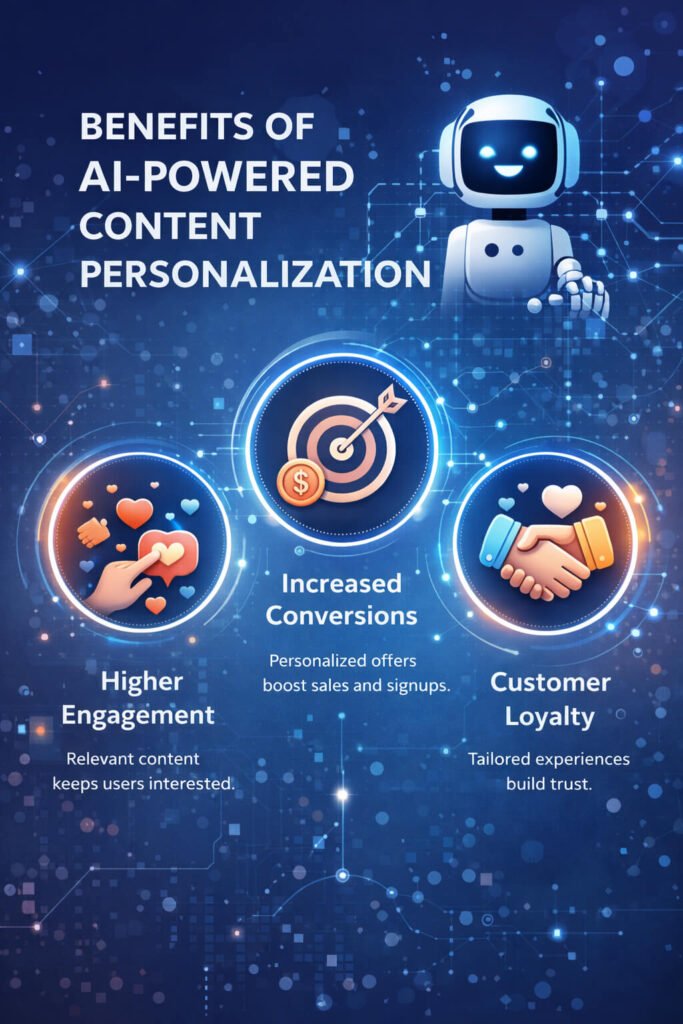
Personalizing your content can significantly impact engagement and conversions. Here’s why it matters:
- Improved User Engagement: Personalized content captures attention more effectively, resulting in higher click-through rates, longer site visits, and deeper interactions.
- Increased Conversions: When content aligns with a user’s interests and needs, it drives more conversions, whether that’s making a purchase, signing up for a newsletter, or taking other desired actions.
- Better Customer Loyalty: Offering personalized experiences makes customers feel valued, fostering long-term loyalty and better retention.
Top AI Tools for Content Personalization
1. HubSpot: AI-Powered Personalization Across Marketing Channels
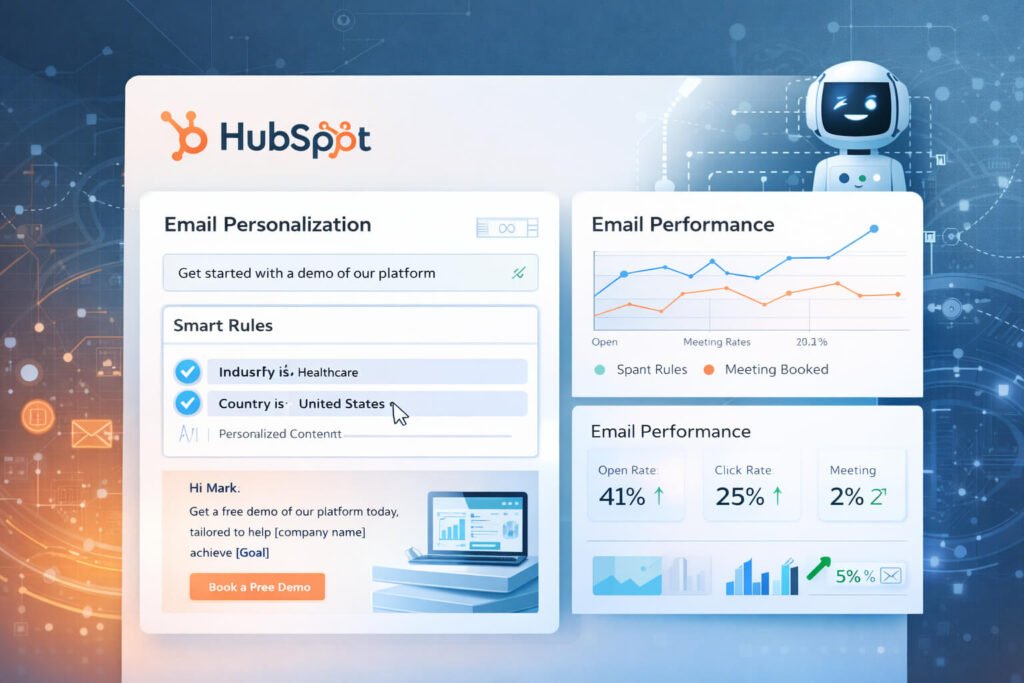
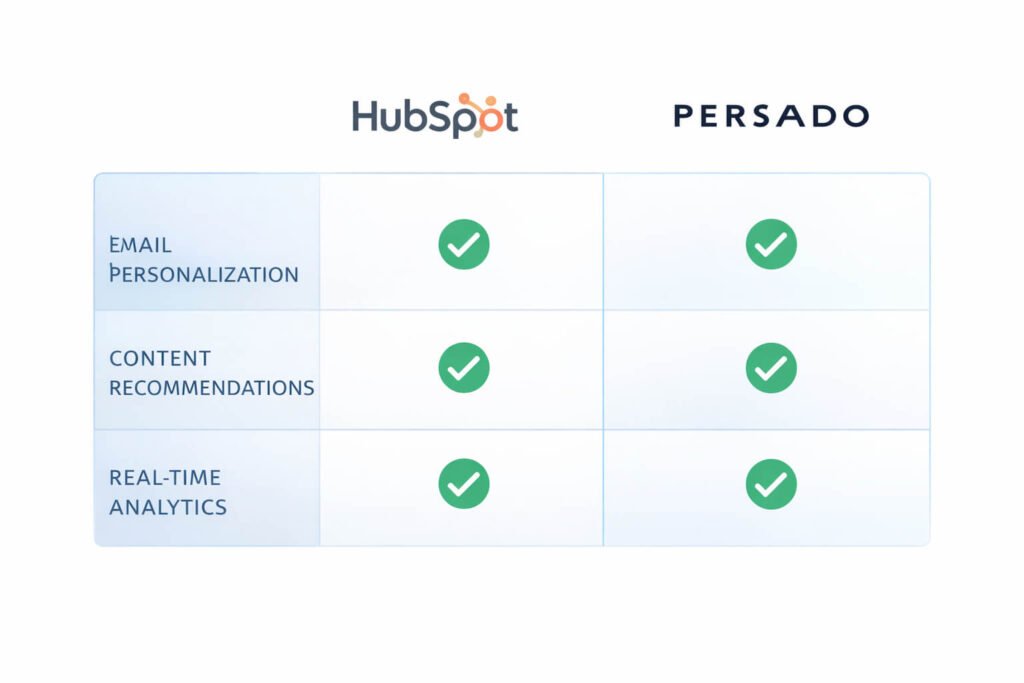
HubSpot is a top-tier marketing automation platform that offers powerful AI tools to personalize content, improve engagement, and streamline workflows. It uses AI to track user behavior and segment audiences, delivering tailored experiences across emails, landing pages, and more.
Key Features:
- AI-driven email personalization: Customizes emails based on user behavior, purchase history, and interests.
- Smart content recommendations: Suggests content that aligns with user interests on your website or blog.
- Lead nurturing workflows: Automates personalized content delivery based on individual actions.
How It Works:
HubSpot tracks user actions (like page visits and email opens) and adjusts the content displayed accordingly. For example, a user who frequently views blog posts on AI tools may see more related content like “Affordable AI Tools for Content Creation” when they return.
Pros:
- Easy to integrate with existing workflows.
- Provides detailed analytics and reporting for better decision-making.
- Excellent for businesses looking for an all-in-one marketing automation solution.
Cons:
- Can be costly for smaller businesses when scaling.
- Some features may be overwhelming for those just getting started with personalization.
2. Persado: AI for Emotion-Driven Copywriting
Persado is a cutting-edge copywriting tool that uses AI to create emotionally compelling content. It leverages machine learning to generate persuasive copy, personalized to the emotional triggers of different customer segments.
Key Features:
- Emotion-based targeting: Identifies emotional triggers that resonate with specific audiences.
- Real-time content optimization: Continuously refines messaging based on user engagement data.
- Cross-channel content: Personalizes copy for emails, ads, and website content.
How It Works:
Persado’s AI analyzes language and emotional responses to create copy that deeply connects with users. It can help you write highly effective product descriptions or ad copy that speak to your audience’s emotions.
Pros:
- Boosts engagement by crafting persuasive, emotionally-driven copy.
- Works across multiple channels (email, social media, ads).
- Continuously improves content based on performance.
Cons:
- Needs time to optimize fully.
- Can be expensive for smaller brands or businesses with tight budgets.
3. Dynamic Yield: AI for Web and Mobile Personalization
Dynamic Yield is an AI-powered platform that provides real-time content personalization across websites, mobile apps, and emails. It uses machine learning to analyze user behavior and recommend personalized content, increasing user satisfaction and conversions.
Key Features:
- AI-driven product recommendations: Suggests products based on browsing and purchase behavior.
- Personalized web content: Customizes homepage experiences, banners, and promotions.
- Multivariate testing: Tests different content variations to optimize user engagement.
How It Works:
Dynamic Yield tracks user behavior and adapts the content shown on websites and apps. For instance, if a user has been browsing AI-related content, they may see recommendations for “Best AI Tools for Content Creation” the next time they visit your site.
Pros:
- The platform offers powerful real-time personalization across different channels.
- Perfect for e-commerce sites looking to recommend products to visitors.
- A/B and multivariate testing to help optimize content.
Cons:
- The platform can be complex for beginners.
- Requires technical expertise for full functionality.
4. Cortex: AI for Visual Content Optimization
Cortex specializes in optimizing visual content. It tracks how users interact with images, videos, and other media, offering actionable insights to improve engagement with visual assets.
Key Features:
- AI-driven visual content optimization: Recommends the best images and videos for user engagement.
- Audience behavior analysis: Tracks interactions with visuals (clicks, shares, etc.).
- Real-time performance tracking: Provides suggestions to optimize visual content.
How It Works:
Cortex helps you understand which visuals resonate most with your audience by analyzing user interactions with images and videos. For example, if videos perform better than static images, it will recommend increasing video content. Check out more AI Tools for Social Media Content Creation for visual content optimization tips.
Pros:
- Ideal for businesses focused on visual content.
- Detailed analytics to optimize image/video performance.
- Helps tailor visuals for maximum engagement.
Cons:
- Focuses mainly on visuals, so it may not fully address text-based content.
- Requires integration with other tools for comprehensive content personalization.
5. Optimizely: AI for Experimentation and Personalization
Optimizely is an experimentation platform that allows you to run A/B tests and personalize content across websites and mobile apps. It uses machine learning to dynamically adjust content based on user behavior, ensuring the best content is shown to each visitor.
Key Features:
- A/B and multivariate testing: Test different versions of content to see which works best.
- AI-powered product recommendations: Tailors product suggestions based on user behavior.
- Real-time mobile personalization: Personalizes content for mobile visitors.
How It Works:
Optimizely runs experiments, allowing you to test different content versions and optimize user experience. It automatically adjusts the experience based on user actions, ensuring they see the most relevant content. If you’re just getting started with blogging, our post on AI Tools for Blogging can help you find affordable tools for beginners.
Pros:
- Ideal for testing and optimizing content for different audience segments.
- Provides data-driven insights into user preferences.
- Helps personalize experiences across websites and mobile apps.
Cons:
- Complex for small businesses without a dedicated experimentation team.
- Can be costly for brands just starting with content personalization.
How to Integrate AI Tools Into Your Content Strategy
Here’s a step-by-step guide to getting started with AI personalization:
- Identify Your Goals: What do you want to achieve with content personalization? Whether it’s improving engagement, increasing conversions, or boosting customer loyalty, knowing your goals will help you select the right AI tool.
- Select the Right Tool: Choose a tool that best aligns with your goals. For example, if you’re focusing on email personalization, HubSpot might be your best bet. If you’re looking to optimize visuals, consider Cortex.
- Integrate the Tool with Your Content: Follow the integration guides provided by the tool to connect it with your website, email platform, or social media accounts. Most platforms offer step-by-step instructions for a seamless setup.
- Analyze and Optimize: Once the tool is set up, start tracking how it performs. Use the insights to refine your content and personalization strategies for better results.
- Experiment and Refine: Content personalization is an ongoing process. Continuously test, experiment, and adjust your strategy to ensure the best possible user experience.
Conclusion: Embrace the Future of Content Personalization with AI
AI-powered content personalization isn’t just a trend—it’s a vital tool for marketers and businesses looking to improve engagement and drive conversions. By leveraging tools like HubSpot, Persado, and Dynamic Yield, you can offer tailored experiences that not only capture attention but also build lasting relationships with your audience.
Start integrating these AI tools into your strategy today and watch your content engagement soar. Personalization is the future of content marketing, and AI is the key to making it a reality.
Frequently Asked Questions (FAQs)
How does AI personalize content for each user?
AI uses data like browsing behavior and purchase history to determine which content is most likely to resonate with individual users. It then delivers personalized content tailored to those preferences.
Can AI personalize emails based on customer behavior?
Yes! AI tools like HubSpot analyze customer behavior and segment them into different groups to send the most relevant emails, driving higher open and conversion rates.
Are there AI tools specifically for visual content optimization?
Yes, tools like Cortex specialize in visual content optimization by analyzing user interactions with images and videos to help you deliver more engaging content.
How do I implement AI-driven personalization on my website?
You can integrate AI tools like Dynamic Yield or Optimizely to personalize content, product recommendations, and user experiences on your site. You can also run A/B tests to find what works best for different segments.
How can AI improve my e-commerce content?
AI can enhance e-commerce content by recommending personalized products to users based on their past browsing and purchase behavior. Tools like Optimizely and Dynamic Yield are excellent for optimizing e-commerce content and increasing conversions.